BEIJING, May 19 (Xinhua) -- China is positioning the low-altitude economy as a key engine for high-quality growth, with the country's 15th Five-Year Plan outlining the need to promote its sound and orderly development.
According to the Civil Aviation Administration of China, the market size of the low-altitude economy is expected to reach 3.5 trillion yuan by 2035.
Via the rapid advancement of digital technologies and smart equipment, China's low-altitude economy is entering a period of fast growth. Across the country, innovation is driving the integration of low-altitude technologies with sectors such as logistics, agriculture and cultural tourism, creating new economic opportunities.
TRANSFORM DAILY DELIVERIES
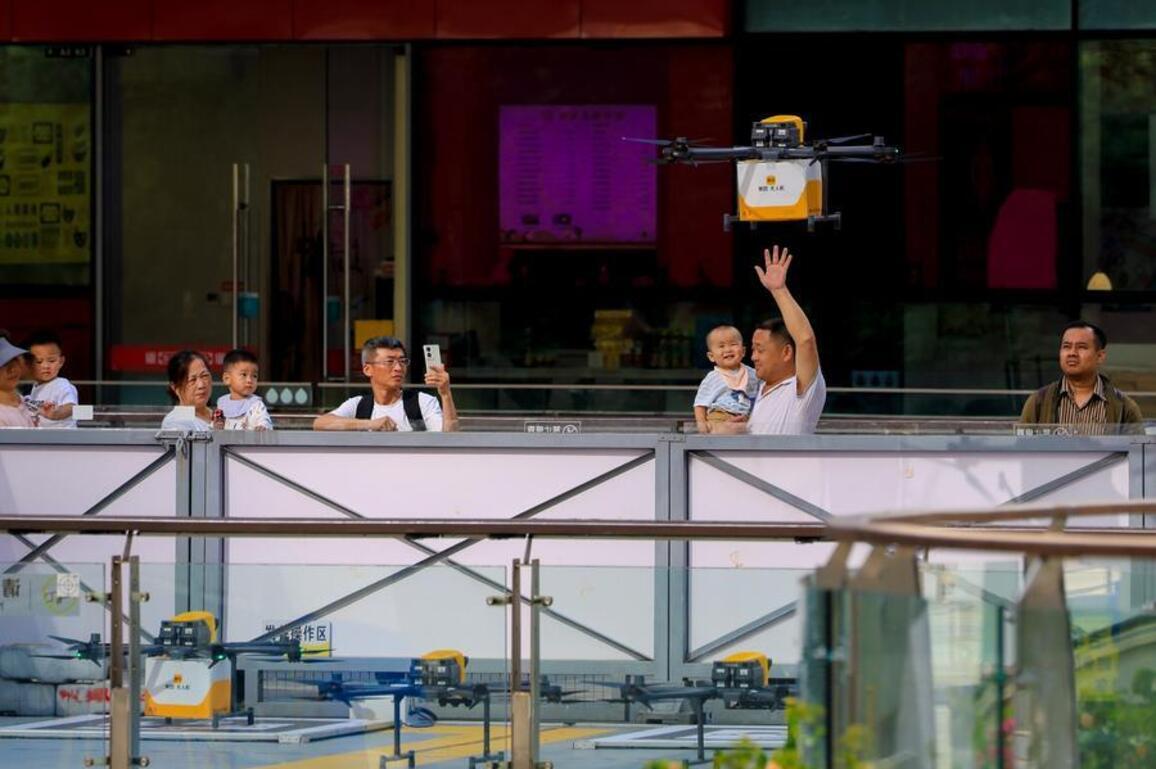
Drones are transforming logistics. Drone delivery overcomes ground transportation limits to achieve precise and efficient service. As its demand is surging, the drone delivery routes have been launched in complex urban environments as well as hilly regions.
Take Shenzhen for example, it has opened a total of 310 low-altitude logistics routes, with 82 new routes added in 2025. Official data published shows that Shenzhen has built more than 1,200 low-altitude takeoff and landing facilities as the city accelerates the development of its low-altitude economy.
ADVANCE PRODUCTION EFFICIENCY
The application of drones has emerged as a standout highlight during the farming work across China. The ancient rhythm of manual farming has been replaced by the whir of drones. Plant protection drones have worked in multiple farmlands and carried out low-altitude pesticide spraying, boosting production efficiency compared with traditional farming methods.
BOOST LOW-ALTITUDE TOURISM
Following in the footsteps of "Citywalk," "Cityfly" -- which ranges from paragliding and skydiving to scenic helicopter rides -- is fast becoming a buzzword among young Chinese travelers. Travel has been transformed from a two-dimensional to a three-dimensional experience and low-altitude tourism has bridged the gap in this market. And the rise in aerial tourism's popularity is attributed to China's fast-developing low-altitude economy, which has reduced flight costs and sparked public enthusiasm for flying experiences.